German Shepherd Embroidery Design Review
A Seasonal Designer’s First Impression
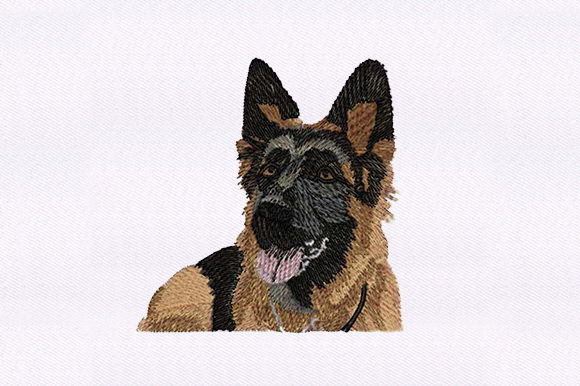
The German Shepherd design arrives with quiet confidence—not flashy, not fussy, but deeply intentional. It carries a warm, grounded energy: cozy yet dignified, nostalgic yet modern. This isn’t a cartoonish or overly stylized dog—it’s expressive, balanced in proportion, and rich in subtle texture. The facial detail invites connection; the posture feels protective and proud—ideal for holiday gifting where emotion matters as much as aesthetics. Whether stitched on a rustic linen pillow cover or a premium cotton sweatshirt, the German Shepherd reads as timeless, not trend-driven. That makes it unusually versatile across seasonal contexts: think Thanksgiving family matching sets, Christmas stockings with heritage charm, or Easter basket toppers that whisper “loyalty” rather than shout “festive.”
Real-World Holiday Product Performance
In my seasonal shop planning, the German Shepherd consistently earns top placement—not because it’s loud, but because it converts. On sweatshirt embroidery, it anchors a clean, elevated look—especially when paired with tonal thread colors and minimal text. As a tote bag design, it adds quiet sophistication to farmer’s market hauls or boutique gift bags. For kitchen towel embroidery, its confident silhouette stands out against textured weaves without overwhelming the utility of the item. As a pillow cover motif, it brings warmth and personality to living rooms and nurseries alike—ideal for new pet parents or multi-generational households celebrating together.
On Etsy, listings featuring the German Shepherd see stronger engagement during November–January. Why? Because it supports storytelling: “Our German Shepherd, Max, joined us last December”—a line that transforms a simple handmade gift into a personalized gift with emotional weight. At craft fairs, it performs well in gift bundles (e.g., embroidered patch + matching ornament + printed tag), especially when presented with cohesive packaging and soft lighting. Social media previews thrive when styled with natural elements—pine boughs, wool blankets, vintage books—reinforcing its cozy, enduring appeal. And for limited edition apparel drops, the German Shepherd lends instant brand recognition: customers remember the calm strength of the pose, making repeat purchases more likely.
Where to Use German Shepherd Thoughtfully
This design shines—but it’s not universally forgiving. Avoid using it at ultra-small hoop sizes (under 3 inches) unless you’ve verified that key details (like ear contour or eye definition) remain legible after stitching. Tiny lettering is not part of this file, but if you plan to add custom names or dates nearby, test spacing carefully—dense stitch areas near the muzzle can crowd adjacent text.
Be mindful on thick, napped fabrics like heavy terry cloth towels—stitch density may require extra stabilizer to prevent puckering. On dark fabric, test thread colors thoroughly: charcoal gray or deep navy thread often reads richer than black, preserving dimension. Metallic thread is beautiful but risky here—the German Shepherd’s layered fur texture relies on matte thread contrast; metallics can flatten nuance. Stretchy garments (like ribbed knits) need cutaway stabilizer and reduced top tension—always run a test on scrap first. Curved surfaces (caps, mugs with wrap-around wraps) demand precise digitizing adjustments; stick to flat or gently contoured items unless you’re experienced with re-digitizing.
How German Shepherd Elevates Your Seasonal Strategy
This machine embroidery design quietly lifts perceived product value. Buyers associate thoughtful animal motifs with care, craftsmanship, and intention—key drivers during holiday shopping. Its emotional resonance builds trust: customers feel seen when they recognize their own bond with a loyal companion. Visually, the German Shepherd offers strong recognition at a glance—no decoding needed—which speeds decision-making in crowded Etsy feeds or holiday markets. For small shop products, it reinforces brand consistency when used across categories: same core design, different applications (tote → apron → ornament), unified by color palette and finishing standards.
Most importantly, it boosts giftability. A German Shepherd-embroidered baby onesie feels meaningful—not generic. A pillow cover becomes a keepsake. An embroidered patch sewn onto a denim jacket gains sentimental longevity. That durability translates directly to reviews, repeat buyers, and word-of-mouth referrals during peak season.
Practical Embroidery Designer Notes
- Test thread colors on both light and dark fabric—especially for eyes and nose detail. Slight tonal shifts dramatically affect expression.
- Check stitch density before scaling. High-density fills work beautifully on stable fabrics but may require heavier stabilizer on lightweight cotton or linen.
- Confirm hoop size compatibility with your most-used machines—and verify whether the file includes multiple sizes or just one layout.
- Use proper stabilizer: medium-weight cutaway for knits, tear-away for stable wovens, and optional topping for fuzzy or pile fabrics.
- Create realistic mockups—not just white-background PNGs. Show the German Shepherd on actual sweatshirt seams, towel hems, and pillow corners to guide customer expectations.
- Review small details after stitching: check for stray stitches near ears or whiskers, and ensure satin-stitched areas lie flat.
- Plan matching color palettes across your seasonal collection—e.g., forest green thread + cream fabric for a woodland holiday theme, or cream + charcoal for minimalist elegance.
- Confirm commercial licensing before selling finished seasonal products. This digital embroidery file must be cleared for resale in physical goods—don’t assume.
The German Shepherd isn’t just another dog-themed embroidery file. It’s a quiet anchor—a design that earns its place in holiday collections because it serves both maker and buyer with integrity. When stitched with attention and intention, it becomes more than decoration: it becomes memory, meaning, and a reason to choose your small shop over the noise. For Etsy sellers, handmade gift makers, and seasonal product creators, that’s not just smart design—it’s sustainable growth.