Cap Wearing Bulldog
First Impression: Playful, Personable, and Instantly Recognizable
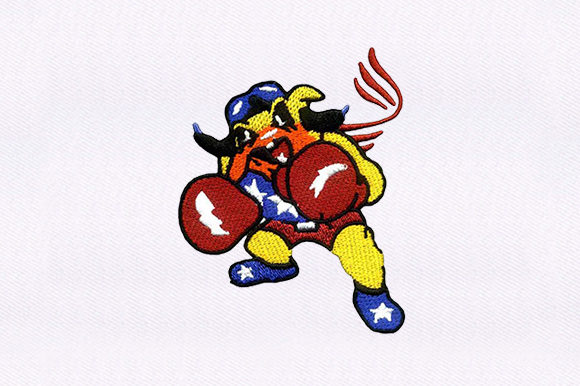
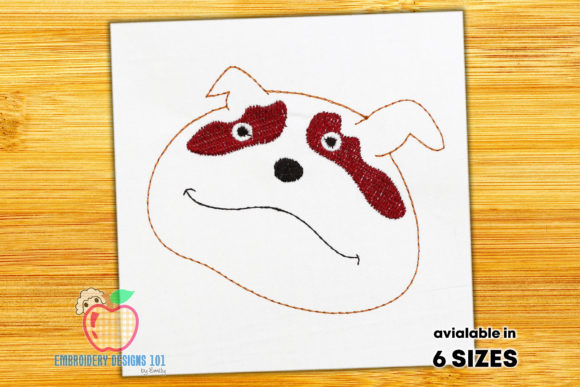
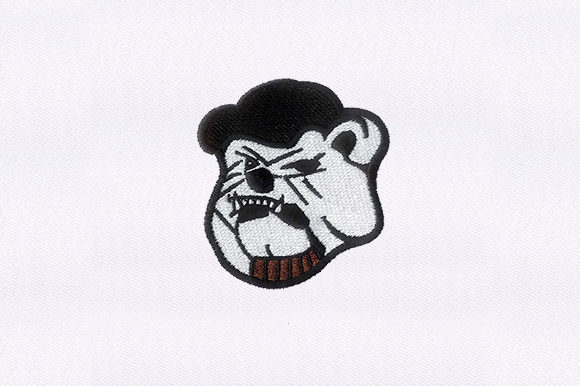
As an embroidery designer who’s prepped over 200 craft fair booths—and shipped thousands of digital embroidery files—I opened Cap Wearing Bulldog expecting charm. What I got was more: a confident, expressive character with strong visual rhythm. The title alone signals personality—no generic dog silhouette here. This isn’t a minimalist outline or a delicate watercolor-style pup. It’s bold, slightly cheeky, and built for connection. At a glance, it reads as funny yet friendly, with just enough detail to feel handmade without veering into fussy territory. That balance is gold for craft fair buyers scanning your table in under three seconds.
Where Cap Wearing Bulldog Shines on Real Craft Fair Products
This machine embroidery design thrives where personality meets practicality. On tote bag designs, it anchors the front panel beautifully—large enough to read from six feet away, but not so dense it overwhelms the fabric. As apron embroidery, it lands perfectly above the pocket: approachable, durable, and conversation-starting. For tea towel embroidery, its clean lines hold up against textured terry weaves, especially when stitched with high-contrast thread colors (think navy cap on cream linen). And yes—it works on caps, though placement matters: center-front on structured cotton twill delivers crispness; avoid curved, low-profile mesh unless you’ve tested stabilizer layers.
Embroidered patches are where Cap Wearing Bulldog becomes a small-shop powerhouse. Its defined shape and clear negative space make it ideal for iron-on or sew-on patches—ideal for Etsy sellers bundling with denim jackets or backpacks. On pillow covers and small pouches, it scales down gracefully to 3–4 inches wide without losing expression. Even as a market bag design or handmade gift tag accent, it adds instant warmth and brand cohesion.
What Makes It Sell—And What Requires Care
Cap Wearing Bulldog earns attention because it’s emotionally legible. Buyers don’t need to pause and decode it—they smile, point, and ask, “Is that *your* bulldog?” That emotional hook translates directly to booth traffic and online clicks. It also supports brand consistency: whether you’re selling farmhouse aprons or modern pouches, this design feels intentional—not trendy, but timeless-with-a-wink.
That said, respect its details. The cap brim, facial wrinkles, and subtle muzzle shading suggest moderate stitch density. On thick fabric like canvas tote bags or heavy denim, use cutaway stabilizer—not tear-away—to prevent puckering. On dark fabric, confirm thread colors offer enough contrast; a light gray cap on black twill may vanish unless you add a satin underlay. And while it holds up well at 3.5 inches, avoid shrinking it below 2.75 inches—the eyes and cap stitching risk blurring on textured towels or curved cap surfaces.
Production Realities Every Embroidery Business Owner Should Know
If you’re batch-producing for a craft fair weekend—or scaling for Etsy orders—Cap Wearing Bulldog is production-friendly, but only if you test first. Here’s what I do before cutting my first yard:
- Test on scrap fabric matching your final product (e.g., unbleached linen for tea towels, midweight cotton for aprons).
- Check thread contrast in natural light—not just your screen. A “cream” thread can look beige next to ivory fabric.
- Review spacing between cap edge and ear—if too tight, stitches may merge on lower-density hoops.
- Confirm hoop size compatibility. If your machine requires a 5x7 hoop minimum, ensure the design fits comfortably within those boundaries with breathing room.
- Inspect stitch density in the cap folds and around the bulldog’s jowls. Overly dense areas heat up needles fast during long runs.
- Use the right stabilizer: cutaway for stretchy or unstable fabrics; lightweight tear-away for stable linens and quilting cotton.
- Create at least one real mockup—not just a printable mockup. Hang it on your booth display rack. Does it pop? Does the cap read clearly from across the aisle?
- Compare fabric colors side-by-side. A warm tan bulldog on oatmeal canvas reads differently than on cool-gray linen.
- Confirm commercial licensing before selling finished products. As a digital embroidery file, its usage rights determine whether you can legally sell embroidered tote bags or patches at your craft fair booth.
Why Cap Wearing Bulldog Strengthens Your Handmade Product Line
This isn’t just another dog-themed embroidery file. It’s a customer engagement tool. At craft fairs, I’ve watched buyers linger longest at displays where the embroidery tells a micro-story—and Cap Wearing Bulldog does exactly that. It invites interaction: “What’s his name?” “Does he wear that cap every day?” “Can I get him on a tea towel *and* a patch?” That cross-product interest boosts average order value and repeat visits.
For Etsy sellers and digital embroidery sellers, it’s a versatile asset—equally effective as a standalone listing or bundled with coordinating designs (think bandana patterns or paw-print borders). As part of your design assets, it reinforces a cohesive, joyful aesthetic—especially if your shop leans into dogs, humor, or cottagecore charm. And for boutique makers building a signature style? It’s a repeatable, scalable element that says “handmade quality” without shouting.
Final Thought: A Design That Works as Hard as You Do
In a sea of floral motifs and script monograms, Cap Wearing Bulldog stands out by being human-centered—not just technically sound, but emotionally resonant. It doesn’t ask buyers to admire technique; it asks them to remember how it made them feel. That’s why it converts on the booth table, performs in Etsy search, and holds up across product categories—from embroidered patches to pillow covers to market bags. Just remember: even the best machine embroidery design needs thoughtful execution. Test. Refine. Photograph in daylight. And always, always let the bulldog wear his cap with confidence.