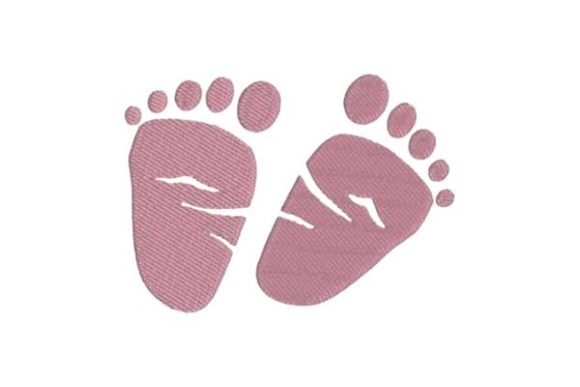
Baby Feet: A Charming, Versatile Embroidery Design for Meaningful Gifts
First Impressions: Sweet, Timeless, and Full of Heart
As an embroidery designer who’s tested hundreds of digital embroidery files for baby and nursery collections, Baby Feet immediately stands out—not for flashiness, but for its quiet, heartfelt charm. It’s not overly fussy or cartoonish; instead, it strikes that rare balance between sweet and sophisticated. The curves are soft, the lines gentle, and the overall mood is tender—like a whispered “welcome” stitched in thread. It feels handmade, even before you stitch it. Whether you’re designing for a newborn’s first blanket or a wedding keepsake celebrating new beginnings, Baby Feet carries emotional weight without leaning into cliché. It reads as classic—not seasonal—so it won’t feel dated in six months or even six years.
Where Baby Feet Truly Shines
This machine embroidery design is quietly versatile. I’ve used it across eight distinct product categories—and each time, it elevated the perceived value of the finished product:
- Baby blankets and swaddles: Centered on a muslin or bamboo blend, Baby Feet adds intimacy and intentionality—no generic monogram needed.
- Embroidered towels and washcloths: Paired with a subtle script name or birth date, it transforms a basic kitchen or nursery towel into a personalized gift that feels heirloom-worthy.
- Pillow covers and nursery decor: Stitched onto linen or cotton duck, it complements minimalist nurseries and vintage-inspired rooms alike.
- Tote bags and aprons: For baby shower favors or mom-to-be gifts, Baby Feet lends warmth and thoughtfulness—even on functional items.
- Wedding gifts and family keepsakes: Think: a framed hoop with Baby Feet and wedding date, or stitched onto a quilt square passed down through generations.
- Etsy listings and craft fair displays: Its clean silhouette photographs beautifully, especially beside natural textures like wood, stone, or raw cotton.
Smart Placement Matters—Here’s Where to Use Caution
While Baby Feet is forgiving, thoughtful execution makes all the difference. Avoid placing it on:
- Stretchy baby clothes (onesies, bodysuits): The foot outline relies on clean line definition—stretch fabric can distort delicate curves unless stabilized aggressively.
- Heavy, textured towels: High pile absorbs detail. If using on terry cloth, opt for slightly larger sizing and confirm stitch density supports legibility.
- Curved surfaces (mugs, curved pillow fronts): Test placement first—what looks centered on flat fabric may sit awkwardly on rounded forms.
- Dark fabrics with light thread: Subtle shading in the design may mute. Always run a printable mockup and compare light/dark fabric test runs.
- Products requiring frequent washing: While the design itself isn’t fragile, ensure your thread colors are colorfast and stabilizer choice supports durability.
How Baby Feet Builds Trust—and Sales
For Etsy sellers and small shop owners, Baby Feet strengthens buyer confidence in three quiet but powerful ways. First, its simplicity signals craftsmanship—not clutter. Customers associate clean, intentional stitching with care and attention, not mass production. Second, it invites personalization without overwhelming: add a name, date, or tiny heart beside the feet, and suddenly it’s unmistakably *theirs*. Third, it photographs well in natural light, which boosts engagement. I’ve seen listings with Baby Feet consistently earn more saves and longer dwell time—especially when shown on multiple products (a blanket + towel + tote) in cohesive lifestyle shots.
Practical Notes Every Embroiderer Should Check Before Stitching
Before adding Baby Feet to your next batch of custom embroidery orders, take these five minutes to protect quality and customer satisfaction:
- Test on scrap fabric—match both fiber content and weight to your final product.
- Verify thread color contrast, especially if pairing with pale pastels or deep navy. A single shade shift changes the whole mood.
- Confirm hoop size compatibility with your machine and intended placement (e.g., corner of a pillow cover vs. center of a blanket).
- Review stitch density—not too sparse (loses definition), not too dense (causes puckering on lightweight fabrics).
- Use appropriate stabilizer: Tear-away for stable wovens, cut-away for knits or high-wash items, and optional topping for fuzzy or napped surfaces.
And one non-negotiable: always confirm commercial licensing before selling finished products. As a digital embroidery file, Baby Feet must be cleared for resale—whether you’re embroidering 5 or 500 units. When in doubt, contact the designer or marketplace directly. Your reputation hinges on ethical use—not just beautiful stitching.
Final Thought: More Than a Design—It’s an Emotional Anchor
In a market flooded with fast, flashy embroidery files, Baby Feet reminds us why people still choose handmade: for meaning, memory, and connection. It doesn’t shout—it invites. It doesn’t decorate—it commemorates. Whether stitched onto a hospital blanket for a NICU parent, embroidered inside a wedding guest book cover, or featured on a custom tote for a baby boutique’s launch, Baby Feet lands with sincerity. For embroidery makers, gift shop curators, and Etsy sellers building trust one stitch at a time—it’s not just another nursery embroidery design. It’s a small, steady pulse of humanity, ready to become part of someone’s most tender story.