Light Tree: A Forest-Inspired Embroidery for Small Business Branding
First Impression: Warm, Grounded, and Quietly Professional
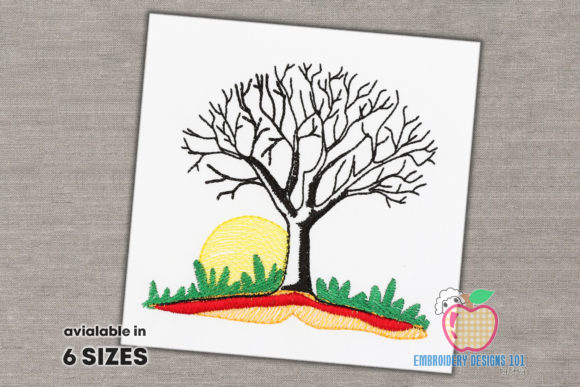
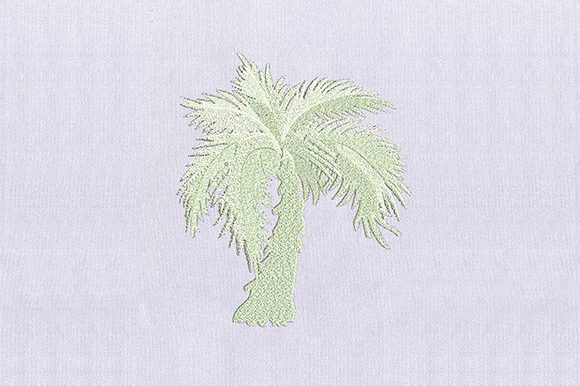
As an embroidery designer who’s developed hundreds of commercial designs for cafés, florists, boutiques, and handmade brands, my first read on Light Tree is immediate and intuitive: it feels like a gentle invitation—not loud, not ornate, but deeply intentional. The name alone evokes clarity and quiet strength: “Light” suggests openness, warmth, and approachability; “Tree” grounds it in nature, growth, and longevity. Paired with its Forest category and positioning as a high-quality embroidery file, Light Tree reads as a refined, organic motif—neither overly rustic nor sterile modern. It lands somewhere between elegant simplicity and handmade sincerity—exactly the tone small businesses need when building authentic brand identity.
Real-World Performance Across Merchandise Types
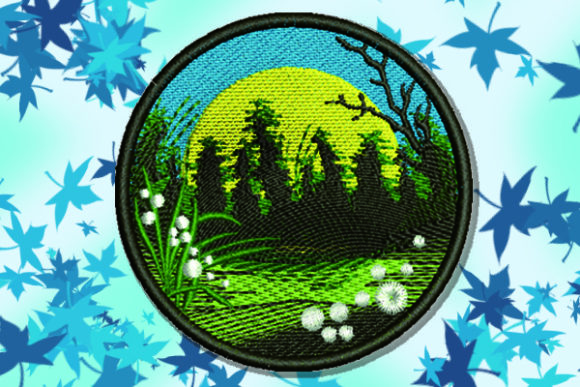
Light Tree shines brightest where subtlety meets recognition—on items customers interact with daily. As an embroidered patch, it holds presence without overwhelming: think sewn onto denim aprons for a local bakery, pinned to tote bags for a florist’s seasonal pop-up, or affixed to the chest of staff uniforms at a creative studio. Its balanced proportions translate cleanly at 2.5–3.5 inches—ideal for cap embroidery (front panel), sleeve accents on work shirts, or minimalist placement on garment hems.
For small business merch, Light Tree functions as both signature and storyteller. Unlike generic leaf motifs, it implies resilience and light—values that resonate with wellness studios, pet brands focused on care, or eco-conscious boutiques. On canvas totes or cotton tea towels, it reads as intentional craftsmanship rather than decoration. And because it’s designed as a machine embroidery design, it scales reliably across product lines: one digital embroidery file can power your entire branded apparel system—from employee caps to customer thank-you gifts—without losing fidelity.
Where to Use Light Tree Thoughtfully
Even strong designs have boundaries—and respecting them ensures your finished product reflects professionalism, not compromise. With Light Tree, avoid pushing below 1.75 inches for standalone patches: fine branches or subtle gradients may blur or “fill in” on dense fabrics like twill or fleece. Cap fronts with curved crowns demand careful digitizing—confirm the design has clean underlay and moderate stitch density to prevent puckering. Likewise, dark uniforms (navy, charcoal, black) require high-contrast thread colors: test ivory, oat, or soft sage against your base fabric before bulk production.
Textured surfaces—like burlap totes or linen aprons—also call for attention. Light Tree’s organic shape benefits from medium-weight cutaway stabilizer to anchor detail without stiffness. And if you’re applying it to items subject to frequent washing (e.g., café aprons or reusable produce bags), verify that the original embroidery file includes smooth satin-stitched outlines—not just fill—that hold up through laundering cycles.
How Light Tree Strengthens Your Brand Identity
In a crowded marketplace, consistency builds trust—and Light Tree delivers visual cohesion across touchpoints. Used as a chest logo on staff uniforms *and* as a woven label accent on product packaging, it creates silent continuity. Customers begin to associate that silhouette—not just with your logo, but with your values: calm, natural, human-scaled. That perception lifts perceived value: a $28 tote bag with Light Tree feels more considered than one with a generic icon. For Etsy sellers and handmade brands, it signals authenticity without shouting—it complements hand-dyed fabrics, ceramic tags, and letterpress cards, reinforcing a cohesive handmade product narrative.
Crucially, Light Tree avoids trend fatigue. Unlike hyper-stylized botanicals or seasonal motifs, its timeless structure supports long-term use—no rebranding needed after six months. That stability saves time, budget, and creative bandwidth for small teams juggling design, production, and sales.
Practical Designer Notes Before You Stitch
Before sending Light Tree to your embroidery machine—or your contract decorator—follow these field-tested steps:
- Test in black and white first. Monochrome reveals spacing issues, thin line breaks, and density imbalances that color masks.
- Check small-patch viability. Resize to 1.75" and stitch a sample on your target fabric—look for legibility in branch tips and even fill coverage.
- Review thread color contrast. Especially on dark or heathered fabrics, ensure your chosen palette enhances readability—not just aesthetics.
- Inspect spacing and underlay. Tight corners or overlapping elements can cause thread nesting; confirm clean transitions between tree layers.
- Confirm hoop size compatibility. If your standard hoops are 4x4", verify Light Tree fits comfortably—or plan for re-hooping mid-stitch.
- Test on real fabric—not just stabilizer. Linen, canvas, and brushed cotton behave differently; always run a production mockup.
- Create a printable mockup for client approval—especially for custom apparel orders—so expectations align before stitching begins.
- Compare beside existing design assets. Does Light Tree harmonize with your wordmark, icon suite, or packaging typography?
- Confirm commercial licensing. Since this is intended for commercial embroidery and resale, double-check usage rights before applying to merchandise for sale.
Remember: the strongest small business merch isn’t just stitched—it’s strategically chosen. Light Tree isn’t merely a machine embroidery design; it’s a quiet amplifier for your mission, your craft, and your connection with customers. When placed with intention—on an apron, a cap, a tote, or a product tag—it doesn’t just decorate. It declares.