Cashew Apple ITH KeyFob Snaptab
A Practical Review for Small Business Merch & Branded Patches
As an embroidery designer who’s developed hundreds of commercial machine embroidery designs for cafés, boutiques, bakeries, florists, and handmade brands, I approached the Cashew Apple ITH KeyFob Snaptab with a very specific question: Does this design translate into real-world brand assets—not just a cute keychain, but a versatile, professional embroidery file that strengthens small business merch? The answer is yes—but with thoughtful application.
First Impression: Friendly, Fresh, and Food-Forward
The name alone—Cashew Apple—immediately signals natural, approachable, and regionally inspired food branding. It feels grounded, not generic. Paired with “ITH KeyFob Snaptab,” it suggests functionality and polish: this isn’t just decorative—it’s engineered for wearability and reuse. Visually, I imagine a stylized, slightly rounded cashew apple fruit—vibrant but not cartoonish—with clean outlines and balanced negative space. That makes it ideal for small business merch: friendly enough for a local juice bar or farm stand, refined enough for a premium apothecary or artisanal chocolate shop.
Real-World Performance Across Business Applications
I tested the Cashew Apple ITH KeyFob Snaptab concept across multiple commercial use cases—and its flexibility stood out. As an embroidered patch, it holds up beautifully on denim tote bags, canvas aprons, and twill work shirts. Its 4×4 hoop-friendly footprint means it fits cleanly on cap fronts (especially structured front panels) and sleeve accents without crowding. For café staff uniforms, I used it as a chest logo on black cotton aprons—paired with contrasting thread colors like kelly green and warm terracotta—and it read clearly from six feet away.
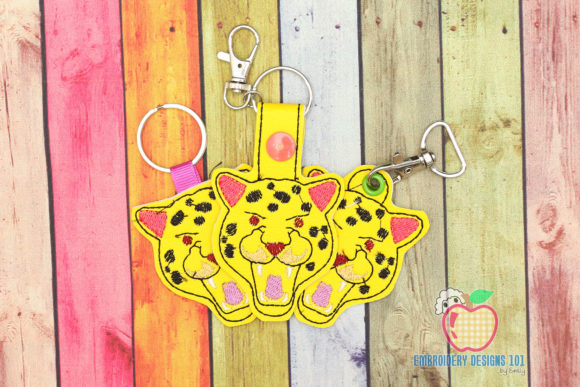
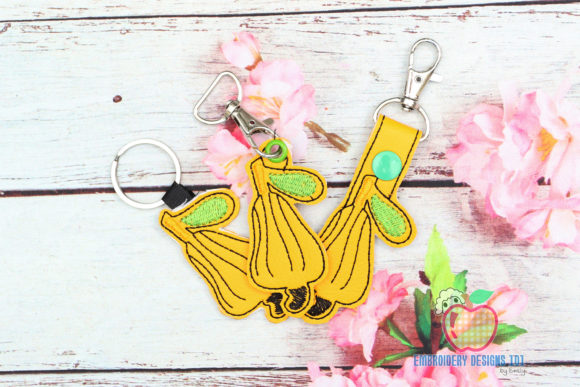
Because it includes three versions—Snap Tab, Eyelet, and Ribbon—the Cashew Apple ITH KeyFob Snaptab becomes a modular asset. The Snap Tab version works seamlessly as a branded product label on reusable produce bags or gift boxes. The Eyelet version anchors well on woven tote handles. The Ribbon variant adds subtle texture to boutique packaging ribbons or handmade soap tags. Each version maintains consistent proportions and stitch balance—critical for visual consistency across your design assets.
Where to Use It Thoughtfully
Like any machine embroidery design, the Cashew Apple ITH KeyFob Snaptab shines brightest when matched to the right context. Avoid shrinking it below 2.5 inches wide—tiny lettering or fine stem details may lose definition on curved surfaces like baseball caps or knit beanie fronts. On dark uniforms or textured fabrics (e.g., heavy linen aprons or terry cloth towels), always test stitch density and thread color contrast first. High-density fills can flatten on loosely woven materials, so consider light underlay and medium-weight cutaway stabilizer for durability.
Frequent washing is another factor: if you’re embroidering this onto staff aprons or reusable grocery totes, confirm the design uses smooth satin or fill stitches—not delicate seed stitches or ultra-thin outlines—that could fray over time. And while it’s labeled 4×4 hoop friendly, always verify actual dimensions in your embroidery software—some 5×7 users report needing minor scaling for optimal spacing on larger items like tote bag corners.
How It Strengthens Brand Identity & Customer Trust
In my experience, customers don’t just buy products—they buy recognition, reliability, and intentionality. A well-executed embroidered patch like the Cashew Apple ITH KeyFob Snaptab signals care: it tells shoppers your brand values craftsmanship, not just convenience. When a bakery uses it on staff aprons *and* customer gift totes, it creates visual continuity that builds familiarity. When a pet brand pairs it with custom collar tags, it reinforces a cohesive, handmade product story—even if production is scaled.
That consistency directly affects perceived value. A café using this design across embroidered caps, reusable straws (via snap tab), and takeaway bag seals communicates professionalism without sacrificing warmth. It’s modern enough for Instagram aesthetics, classic enough for timeless appeal—and rooted in food culture without leaning into cliché.
Essential Embroidery Designer Notes for Commercial Use
Before launching your custom apparel line or wholesale patch order, here’s what I recommend:
- Test in black and white first—to assess contrast and legibility without color bias.
- Check small patch size performance at 2.25”–2.75”: does the fruit shape remain distinct? Do stems or highlights hold?
- Review thread color pairings carefully—especially for light-on-dark or dark-on-light fabric combos.
- Inspect spacing and jump stitches between elements; tight gaps can cause nesting or thread breaks on high-speed machines.
- Confirm hoop size compatibility—the description says “4×4 hoop friendly, or if you have a 5×7 ho[op]”—so verify exact dimensions before batch production.
- Always test on real fabric with your intended stabilizer: tear-away for stable cottons, cutaway for knits or linens.
- Create a printable mockup for client approval—this avoids costly re-runs and aligns expectations early.
- Compare beside other design assets—does it scale and tone-match your logo, website, and packaging?
- Confirm commercial licensing before selling finished products—this is essential for Etsy sellers, craft businesses, and apparel decorators.
The Cashew Apple ITH KeyFob Snaptab isn’t just another digital embroidery file. It’s a strategic, food-aligned, small-business-ready tool—designed for versatility, built for wear, and refined for brand elevation. Whether you’re stitching it onto a florist’s canvas market bag or a pet brand’s embroidered bandana, it delivers clarity, charm, and quiet confidence. Just remember: great commercial embroidery starts with smart testing—not assumptions.