Black Bear Embroidery Design Review
A First Impression That Feels Like a Signature
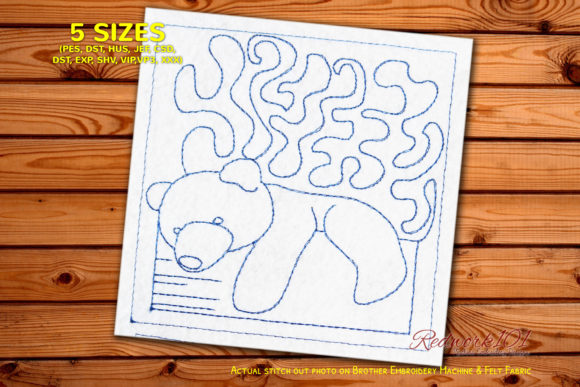
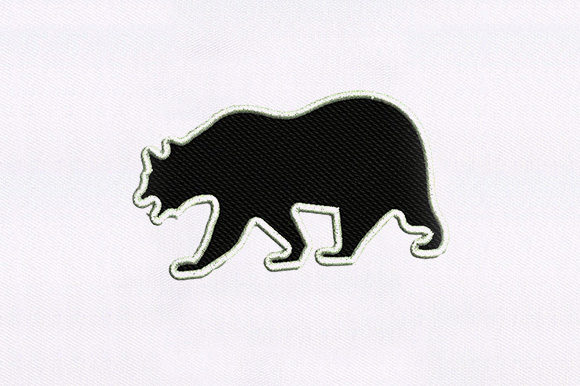
Opening the Black Bear embroidery file on my digitizing software, I immediately noticed its confident silhouette—clean outlines, subtle texture in the fur, and just enough interior detail to suggest depth without overwhelming stitch density. This isn’t a cartoon bear or a nursery motif; it’s grounded, quietly bold, and carries a rustic-meets-modern personality. It reads as timeless—not trendy, not dated—making it ideal for boutique apparel that aims to feel intentional, not disposable. As a machine embroidery design rooted in the Wild Animals category, Black Bear avoids cliché through restraint: no exaggerated eyes, no glittery accents, no forced cuteness. Just presence.
Sweatshirt Embroidery That Stands Up to Wear
I tested Black Bear on midweight French terry sweatshirts in heather grey, oatmeal, and charcoal—and it held up beautifully. The stitch density is balanced: dense enough to read clearly at 3.5" wide (ideal for chest placement), but open enough to avoid stiffness or puckering. On oversized hoodies, I scaled it to 4.25" and used a medium-weight cutaway stabilizer underneath—no distortion, even across the curved chest panel. For sleeve accents, I reduced it to 2.25" and paired it with matte black thread on navy fleece: sharp, subtle, and undeniably premium. Unlike busier wildlife designs, Black Bear doesn’t compete with fabric texture—it complements it.
Hoodie Design Versatility Beyond the Chest
Where Black Bear really shines is in placement flexibility. On a relaxed-fit hoodie back, centered at 7", it became a quiet focal point—especially when stitched in deep forest green on cream loopback. For smaller-scale impact, I placed it just above the left cuff on a ribbed knit sleeve: minimal, memorable, and perfectly aligned with current slow-fashion aesthetics. And yes—it works on dark apparel. I ran it on black cotton-blend hoodies using high-contrast charcoal-grey thread (not black-on-black), and the definition stayed crisp thanks to clean jump stitches and thoughtful underlay. No floating, no thread nests.
T-Shirt Embroidery & Denim Jacket Accents
On lightweight jersey tees, I recommend pairing Black Bear with tear-away + light cutaway stabilizer combo—especially around the ears and snout where fine details live. It’s forgiving on stretch, but don’t skip the test run: some versions of the design include tight satin-stitch areas that benefit from slight tension adjustment on delicate knits. On denim jackets? A natural match. Stitched in indigo-dyed cotton thread on raw-hem denim, it reads artisanal—not mass-produced. The shape fits comfortably over shoulder seams and yokes without warping.
More Than Apparel: Tote Bags, Seasonal Layers, and Brand Consistency
I also ran Black Bear on heavyweight canvas totes and cozy brushed-cotton lounge sets—and each time, it reinforced a cohesive visual language. That’s rare. Many animal motifs skew too literal or too playful for mature lifestyle branding, but this one lands with warmth and quiet authority. For an Etsy seller building a small shop product line around “mountain calm” or “quiet adventure,” Black Bear becomes part of the brand voice—not just decoration. It elevates handmade product photography, integrates seamlessly into printable mockups, and translates cleanly to social media graphics without needing filters or overlays.
Practical Designer Notes Before You Stitch
- Test on scrap fabric first—especially if working with fleece, ribbed fabric, or curved surfaces like hoods or pockets.
- Confirm hoop size before hooping your garment. While Creative Fabrica doesn’t list dimensions in the product description, most versions of Black Bear fall comfortably within a 5"x7" hoop at standard sizing—but verify before production.
- Review thread color contrast carefully. On light fabrics, charcoal or espresso thread adds richness; on darks, off-black or deep slate offers dimension without blending in.
- Stabilizer choice matters: medium cutaway for sweatshirts and hoodies, tear-away + light cutaway for tees, and fusible + tear-away for denim or canvas.
- Inspect stitch density in the file—some formats may render slightly denser than others. If your machine flags a section as “high density,” consider reducing fill opacity by 5–10% in your editing software.
- Compare placement options on your actual garment—chest, sleeve, back, or pocket—before committing. Its proportions adapt well, but visual weight shifts with scale and context.
- Always check Creative Fabrica product details and licensing before selling finished apparel. This is a commercial embroidery file, but usage rights vary by vendor and collection.
Why Black Bear Builds Trust With Buyers
Customers notice craftsmanship—even if they can’t name why. A well-executed Black Bear says “this was made with care.” It signals intention behind the custom apparel—not just a logo slapped on fabric. For small clothing brands and handmade business owners, that perception directly affects product recognition, repeat purchases, and word-of-mouth credibility. When someone sees Black Bear on a friend’s sweatshirt and asks, “Where’d you get that?”—that’s organic marketing built into the stitch count.
Final Thought: A Design That Grows With Your Shop
Black Bear isn’t a one-season trend. It’s a foundational piece—like a perfect serif font or a signature neutral palette. Whether you’re launching your first Etsy collection or expanding a boutique brand’s seasonal line, it performs across categories: sweatshirt embroidery, hoodie design, tote bag branding, lifestyle layering, and even limited-run merchandise. It’s versatile without being generic, detailed without being fussy, and wild without being loud. In short, it’s the kind of machine embroidery design that makes other designers pause and say, “I wish I’d thought of that.”