Baby Bug Caterpillar: A Seasonal Stitch Worth Stocking
First Impressions: Playful, Cozy, and Instantly Gift-Ready
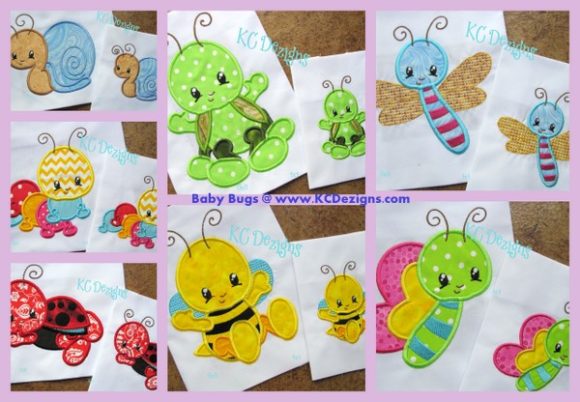
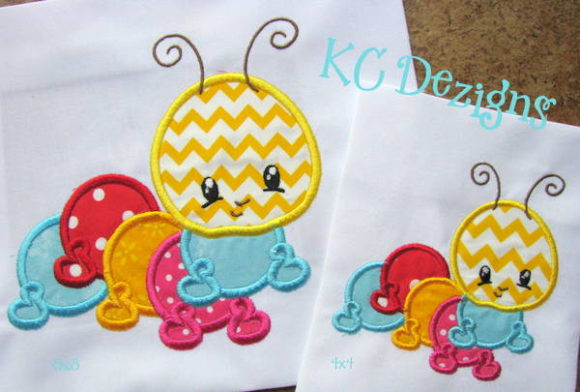
As an embroidery designer who’s built seasonal collections for over a decade, my first glance at Baby Bug Caterpillar landed right where it matters most: emotional resonance. This isn’t just another bug motif—it’s soft-edged, gently rounded, and brimming with quiet charm. The design leans into cozy nostalgia without tipping into kitsch, and its expressive simplicity makes it feel both modern and timeless. It reads as playful but never loud, sweet but never saccharine—perfect for baby items, family matching sets, and gentle holiday gifting. Unlike many “bugs” in the Embroidery category, Baby Bug Caterpillar avoids sharp angles or aggressive detail. Instead, it uses smooth satin-stitched curves, subtle layering, and balanced negative space to create visual warmth. That tone translates directly into buyer trust: when shoppers see this on an Etsy listing or craft fair display, they don’t question *if* it’s handmade—they immediately picture it stitched onto a newborn’s receiving blanket or a grandmother’s kitchen towel.
Holiday & Seasonal Performance: Where It Shines (and Why)
Baby Bug Caterpillar excels in real-world seasonal selling—not just as a standalone embroidery file, but as a versatile anchor for gift bundles and limited-time drops. On sweatshirt embroidery, it adds whimsy without overwhelming fabric drape. As a tote bag design, it stands out against neutral canvas while remaining gender-neutral and age-inclusive. For kitchen towel embroidery or pillow cover applications, its compact scale and clear silhouette hold up beautifully—even after multiple washes, provided proper stabilizer is used. As an embroidered patch, it’s ideal for attaching to bibs, onesies, or holiday aprons. And because it’s available in three hoop sizes, small shop product creators can scale it confidently: tiny for ornaments or quilt blocks, medium for baby towels and burp cloths, and larger for table linens or personalized gift-ready products.
This machine embroidery design also performs exceptionally well in digital marketing contexts. Its clean lines render crisply in printable mockups and social media previews—no pixelation, no lost detail. When paired with muted earth tones or soft pastels (think sage, oatmeal, sky blue), Baby Bug Caterpillar becomes instantly recognizable across platforms, reinforcing brand consistency for Etsy sellers and handmade gift makers alike. Customers scrolling through holiday collections pause here—not because it’s flashy, but because it feels *intentional*, comforting, and thoughtfully designed for real life.
Where to Use It Thoughtfully (Not Everywhere)
Even the most charming seasonal embroidery needs smart application—and Baby Bug Caterpillar is no exception. Avoid using it on heavily textured or thick towels without adjusting stitch density and stabilizer type; dense loops can flatten the design’s gentle contours. On dark fabric, test thread colors thoroughly—light greens or creams may need underlay or topping to stay legible. Metallic thread? Not recommended unless you’re doing a single-test run: the fine curves and layered elements don’t always translate cleanly with specialty threads.
Stretchy garments like ribbed knit onesies require extra care—use cutaway + tear-away combo stabilizer and reduce top tension slightly. Curved caps are best avoided entirely; the shape doesn’t adapt well to dome surfaces without distortion. And if your small shop product line includes items meant for frequent laundering (baby blankets, dish towels), double-check that the embroidery file’s stitch density supports durability—overly dense fills may crack or stiffen over time. Always confirm hoop size before digitizing for new projects; mismatched hoops lead to trims, re-hooping delays, and inconsistent finished product quality.
Design Notes Every Embroidery Seller Should Keep Handy
- Test thread colors on both light and dark fabric—especially for seasonal palettes like winter mint or harvest mustard.
- Check stitch density before scaling beyond the original hoop sizes; high-density fills behave differently on baby-weight cotton vs. heavyweight linen.
- Confirm hoop size compatibility with your primary machines—and note which size works best for your top-selling products (e.g., 4x4" for patches, 5x7" for pillow covers).
- Use proper stabilizer: lightweight cutaway for knits, tear-away for stable wovens, and water-soluble topping for fluffy towels.
- Create realistic mockups—not just flat white backgrounds. Show Baby Bug Caterpillar on actual baby blankets, folded kitchen towels, or gift-wrapped tote bags.
- Review small details after stitching: antennae tips, segment separation, and eye clarity matter most at smaller hoop sizes.
- Plan matching color palettes in advance—coordinate thread hues with your holiday packaging, tags, and social media visuals.
- Confirm commercial licensing before selling finished seasonal products. If the embroidery file includes usage terms, review them carefully—especially for resale of physical goods like embroidered patches or personalized gifts.
Why This Design Builds Trust During Peak Shopping Seasons
In the final weeks before holidays, customers aren’t just buying a machine embroidery design—they’re buying peace of mind. Baby Bug Caterpillar delivers that. Its consistent, predictable stitch-out reduces production surprises. Its emotional tone reassures buyers they’re choosing something kind, thoughtful, and age-appropriately joyful. That builds customer trust faster than any description ever could. For Etsy sellers, it increases conversion on listings tagged “handmade gift” or “personalized gift.” For craft fair vendors, it draws families and gift-givers who linger longer and buy more. And for apparel decorators building holiday collections, it adds a cohesive, non-trend-dependent element—something that sells year after year, not just December after December.
Ultimately, Baby Bug Caterpillar isn’t just a seasonal embroidery asset—it’s a quiet confidence-builder. It fits seamlessly into baby registries, sibling matching sets, teacher appreciation bundles, and even eco-conscious home decor lines. It invites storytelling, personalization, and repeat use—without demanding excessive digitizing tweaks or technical gymnastics. In a crowded market of holiday embroidery, that reliability is rare. And for small business owners juggling production deadlines, marketing timelines, and customer expectations? That’s not just practical. It’s priceless.